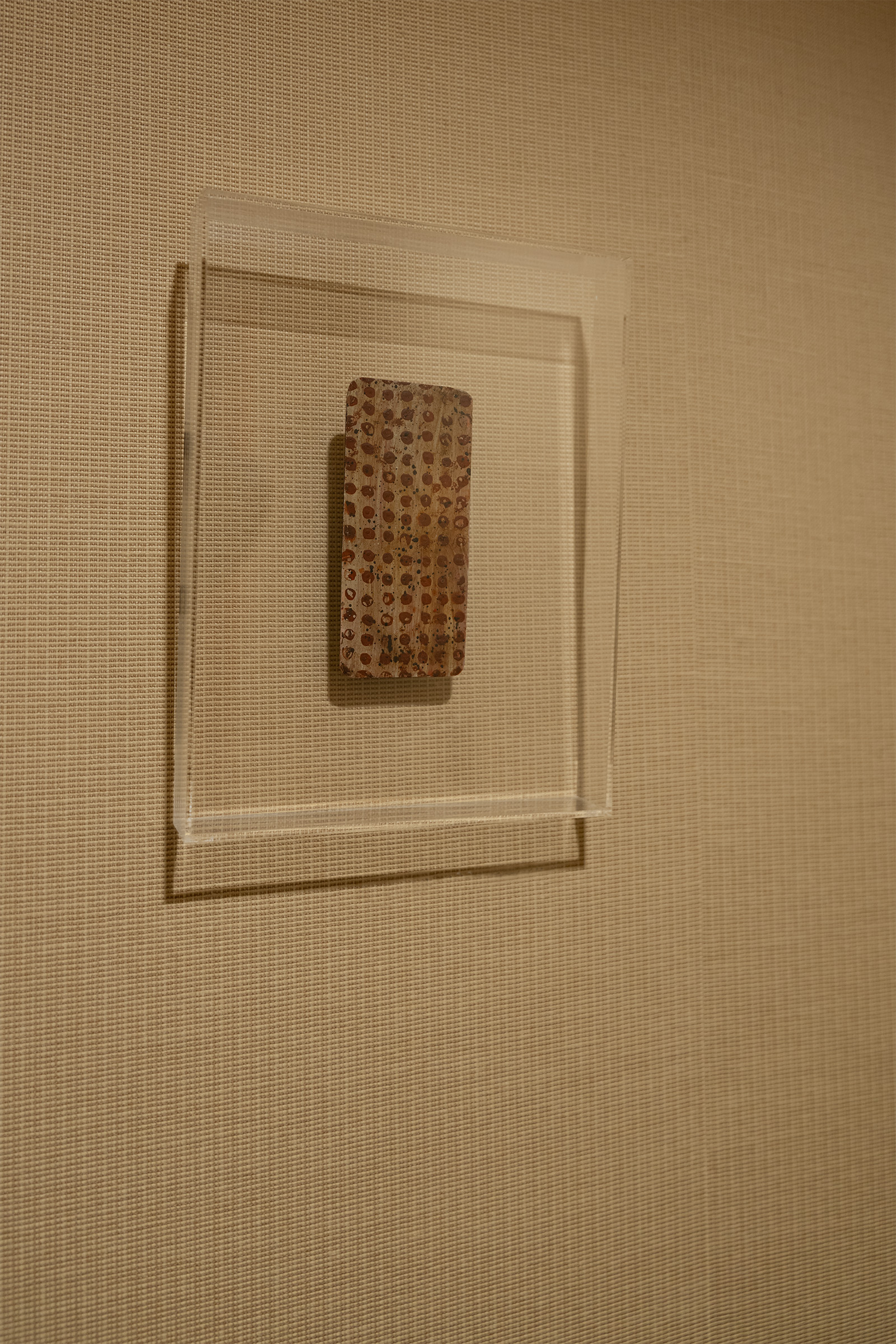
静かなラウンジに添えられた
夜を描き続けた画家ロベール・クートラスの作品
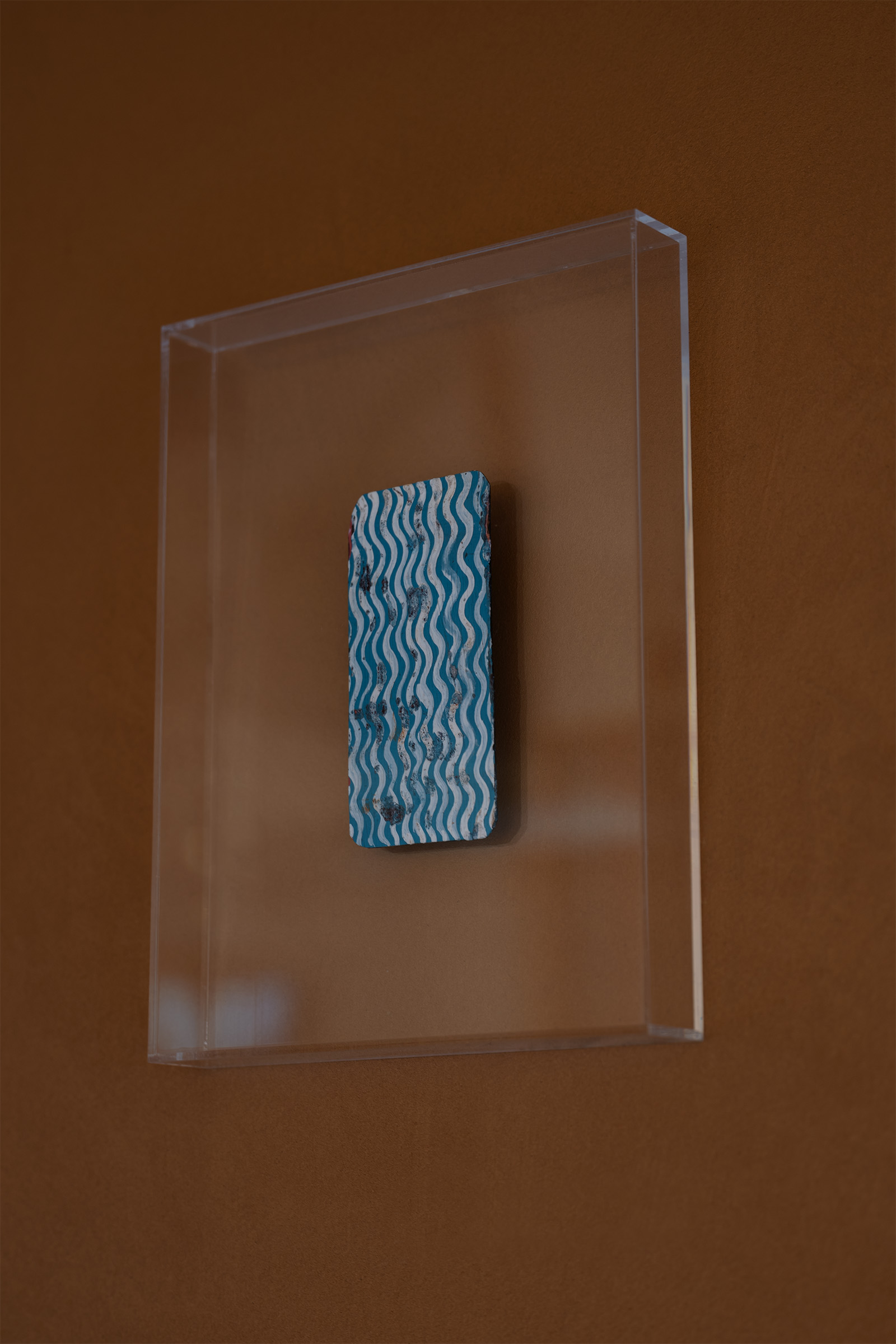
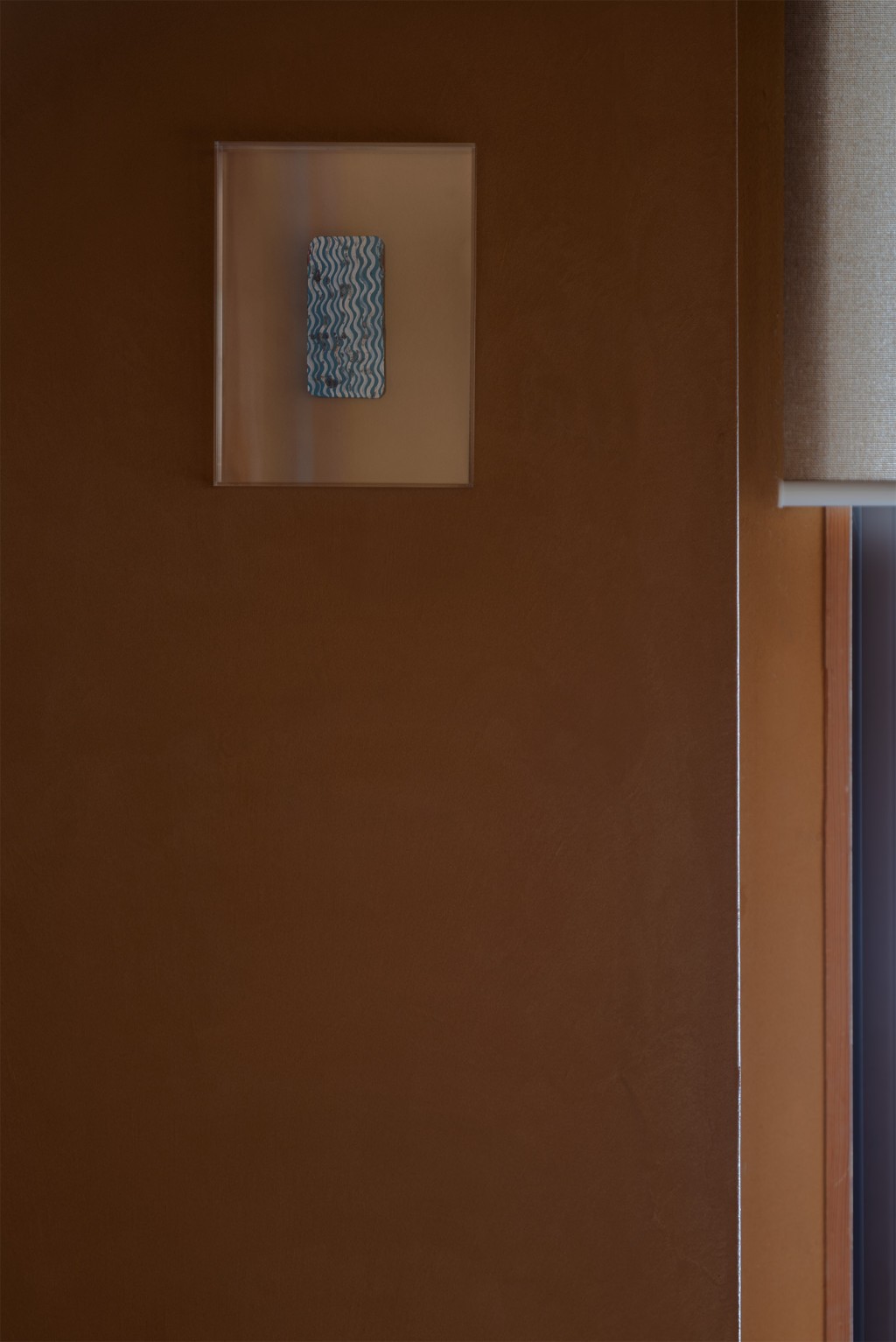
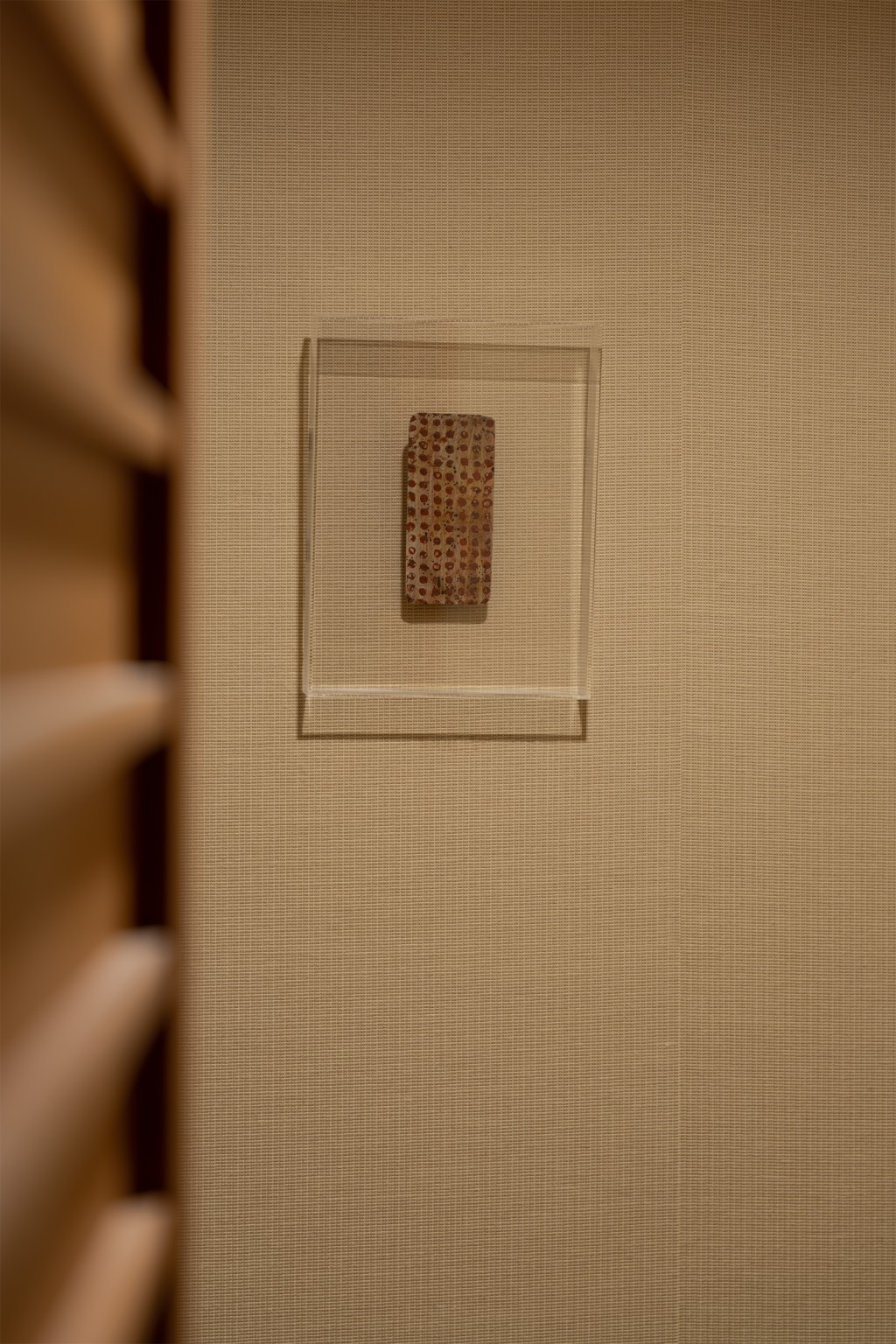
展示されている「カルト」は、現代の“ユトリロ”とも評されるロベール・クートラスが生涯にわたり描き続けた連作のひとつです。
靴箱やボール紙、ポスターの裏など、日常の素材に深い藍色の下地を施し、夜ごと一枚ずつ描かれたこれらの作品は、彼自身によって「僕の夜(Mes Nuits)」と名付けられました。その数はおよそ6,000枚に及ぶといわれています。
水と電気だけがある簡素な小部屋で、孤独と向き合いながら筆を握ったクートラス。
ナイフで削って先を尖らせた古い丸筆から、色のしずくを一滴ずつ落とす行為は、まるで雨乞いの祈りのようです。月から雨露が降りるように、何かが作品に宿ることを願いながら、毎晩静かに描き続けられました。
館主がこの作品に出会ったのは、華道の師の紹介によるもの。故・塚田晴可氏の手によるギャラリーにて、玄関廊下に展示されている唐の婦人俑とともに迎え入れられました。
その背景にある祈りの時間と、抑制された造形の美しさに深く共鳴し、華野のラウンジ、そして人目を避けた手洗い空間という静かな場所に展示することを選びました。
華やかさを誇る作品ではありません。
けれど、そっと佇むこの「カルト」は、訪れる人の心の奥に静かに触れ、忘れがたい余韻を残します。
Quietly placed in the lounge,
a work by Robert Coutelas, a painter who devoted his nights to painting.
The Carte displayed here is part of a lifelong series created by Robert Coutelas, often described as a “modern-day Utrillo.”
Working on everyday materials such as shoeboxes, cardboard, and the backs of posters, Coutelas applied a deep indigo ground and painted one piece each night. He titled this body of work Mes Nuits—“My Nights.” It is said that nearly 6,000 such works were created over the course of his life.
In a sparse room furnished with little more than water and electricity, Coutelas confronted solitude as he painted. Using an old round brush, its tip sharpened with a knife, he let drops of pigment fall one by one onto the surface. The act resembles a prayer for rain—quietly repeated each night, as if hoping that something might descend from the moon like dew and take residence within the work.
The proprietor of Takayamaso Hanano encountered this piece through a recommendation from his ikebana mentor. It was acquired at a gallery organized by the late Haruyoshi Tsukada, together with the Tang Dynasty female figurine now displayed in the entrance corridor. Deeply resonating with the work’s sense of prayerful time and its restrained formal beauty, the proprietor chose to place it in the lounge, as well as in a secluded washroom space removed from public attention.
This is not a work that asserts itself through brilliance or spectacle.
Yet this quietly present Carte reaches gently into the depths of the viewer’s heart, leaving behind a lingering and unforgettable resonance.